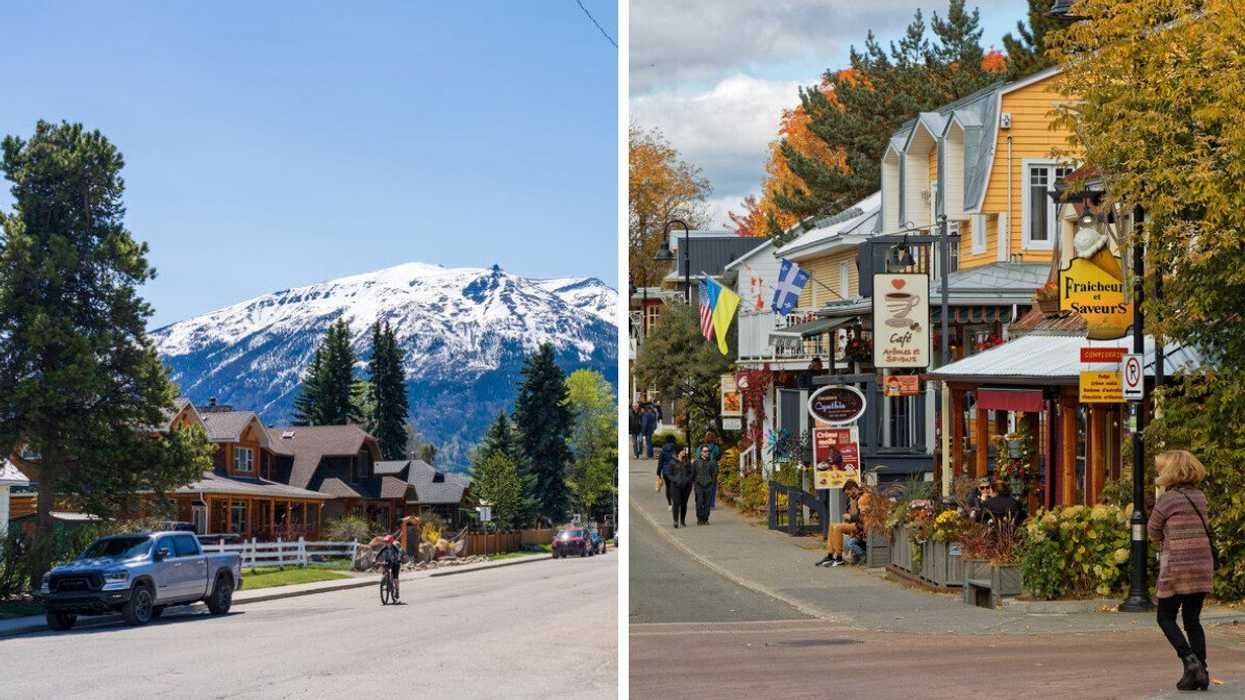
Eight Quiet Canadian Towns Worth Knowing
French traders established a post at Tadoussac, Quebec in 1600, making it Canada's oldest continually inhabited European settlement. That kind of enduring character often signals a slower pace for visitors. Eight towns across Canada hold similar appeal, and not all require a trip to the eastern provinces.
1 / 8
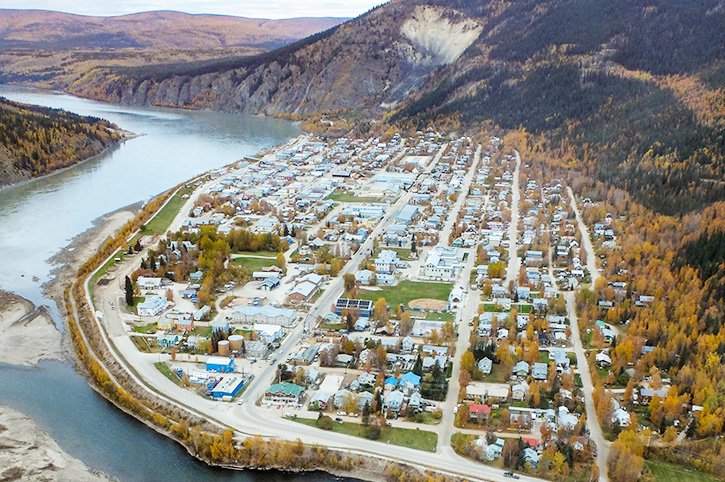
Dawson City, Yukon peaked at 30,000 residents in 1898 during the Klondike Gold Rush, then declined to 900 by 1950. Today, its 1,577 residents live in a town that preserves its frontier architecture, with many buildings on permafrost foundations. Diamond Tooth Gertie's Gambling Hall, Canada's oldest casino, operates from May to September. The town also hosts a Midnight Sun Golf Tournament in June.
2 / 8
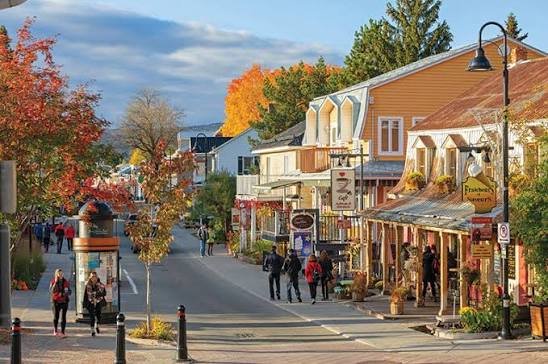
Baie-Saint-Paul, Quebec, a town of 7,348, sits in the Charlevoix region on the Saint Lawrence River. It is known for its artistic community; Cirque du Soleil founders Guy Laliberté and Gilles Ste-Croix began their street performances here. Galerie d'art Iris, established in the 1960s, became one of Quebec's first art galleries outside its major cities. The surrounding area offers scenic views and local culinary experiences.
3 / 8
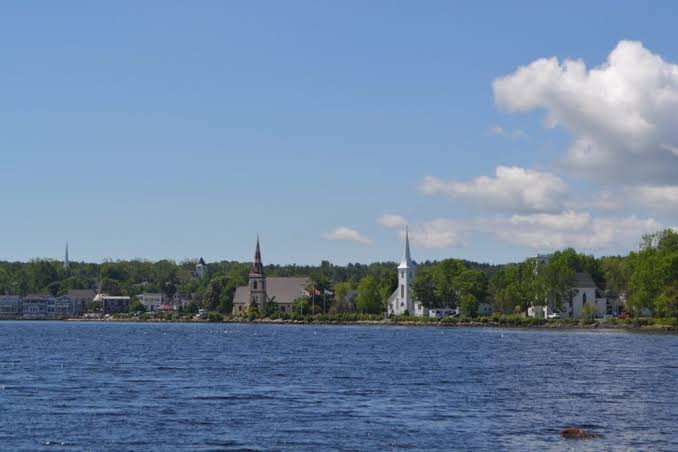
Mahone Bay, Nova Scotia, on the province's South Shore, is a town of 1,036 residents famous for its 'Three Churches by the Sea' photograph. Settled by European immigrants in 1754, the town has a strong boatbuilding heritage, with wooden vessels crafted here for over 200 years. Independent artisan shops line Main Street, reflecting a local creative culture.
4 / 8
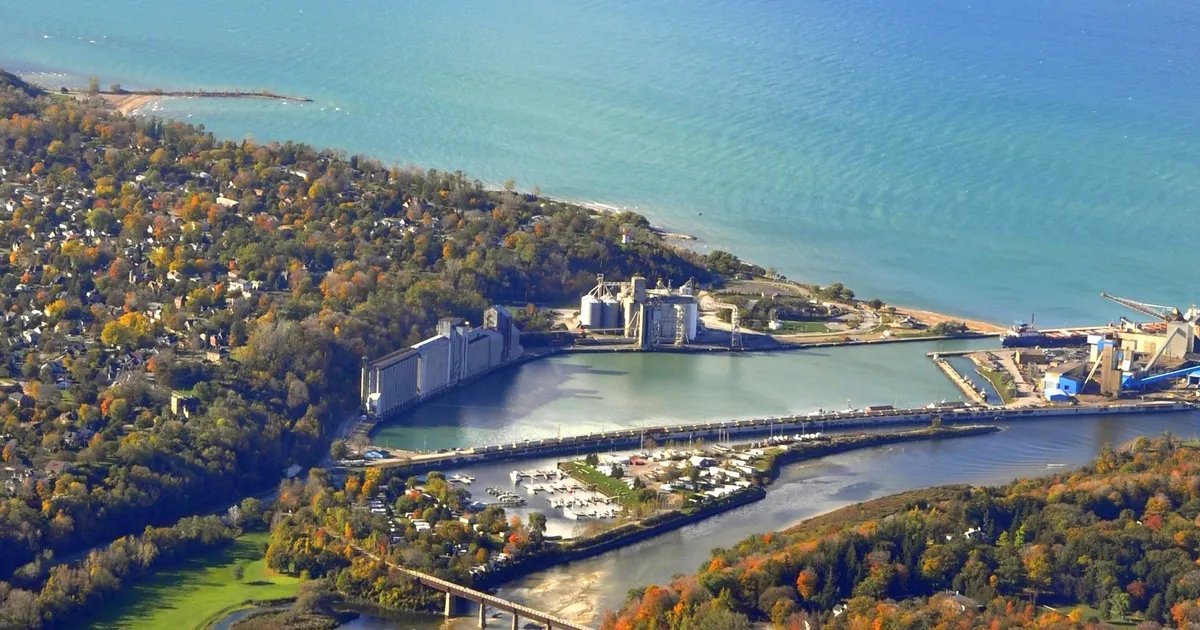
Goderich, Ontario, a town of 7,621 on Lake Huron, was named "Prettiest Town in Canada" by Maclean's magazine in 1999. Its downtown features a unique octagonal traffic circle called "The Square." The Sifto Salt Mine beneath Lake Huron operates as one of the world's deepest salt mines, extracting rock salt from a deposit formed 400 million years ago.
5 / 8
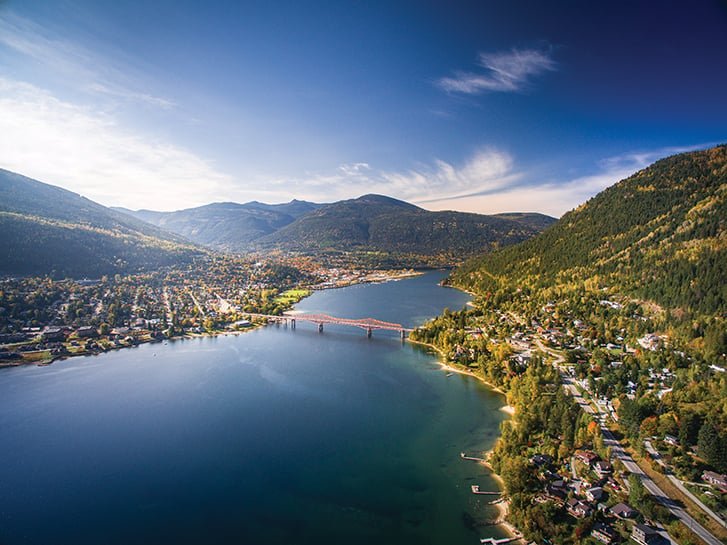
Nelson, British Columbia, a city of 11,106, sits on the west arm of Kootenay Lake. It contains over 350 preserved heritage buildings, mostly dating from its 1897-1907 mining boom. Skiers frequent Whitewater Ski Resort 20 minutes south, which averages 40 feet of annual snowfall. The city maintains many community arts initiatives and independent restaurants.
6 / 8
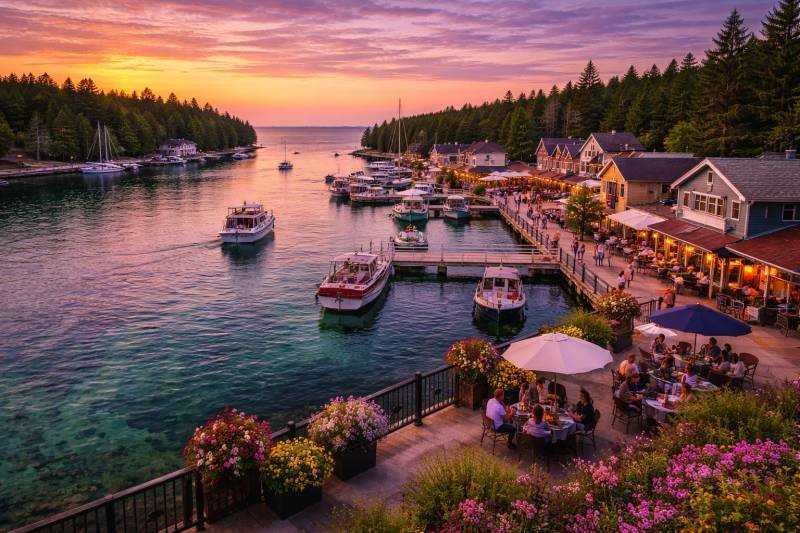
Tobermory, Ontario, a community of around 1,000 people at the tip of the Bruce Peninsula, offers access to Fathom Five National Marine Park. This park protects 22 shipwrecks, visible through clear Georgian Bay waters, suitable for snorkeling and diving. Glass-bottom boat tours transport visitors to Flowerpot Island, named for its unique rock pillars carved by erosion.
7 / 8
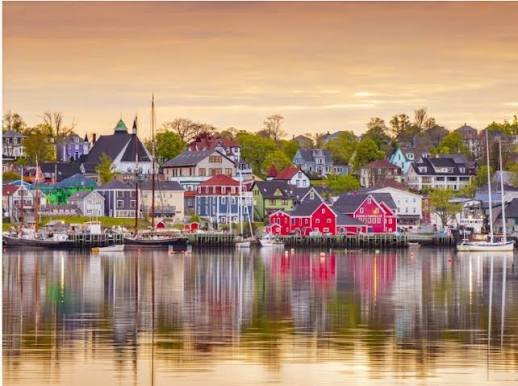
Old Town Lunenburg, Nova Scotia, became a UNESCO World Heritage Site in 1995, one of only two North American towns to earn this distinction. The fishing town, with a population of 2,319, serves as the home port for the Bluenose II, a replica of the famous 1921 schooner depicted on the Canadian dime. Its colorful colonial buildings preserve an 18th-century British planned settlement.
8 / 8
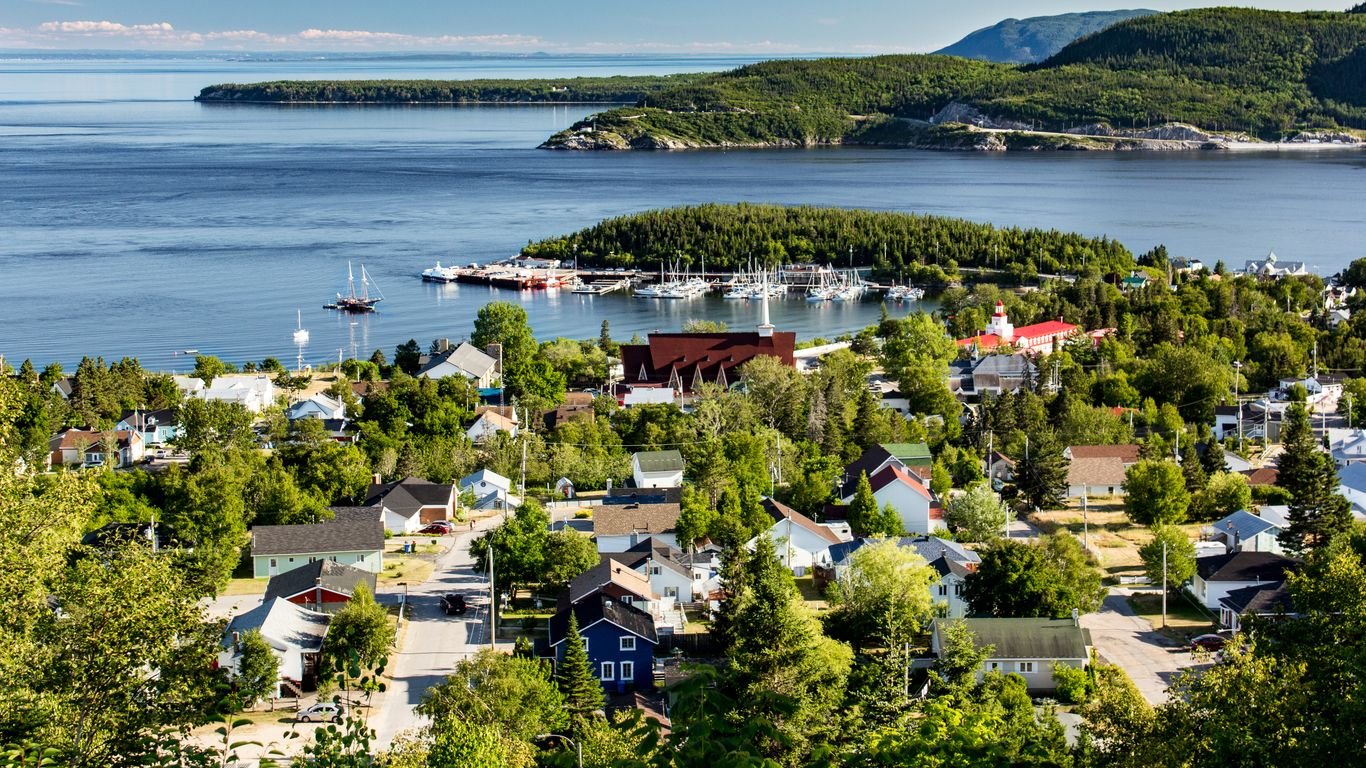
Tadoussac, Quebec, a village of 816 residents, sits at the confluence of the Saguenay Fjord and the Saint Lawrence River. French traders established a post here in 1600, making it Canada's oldest continually inhabited European settlement. The village is a premier whale-watching destination, with belugas, fin whales, and minke whales visible from boat tours or shorelines.
Get the next one first
Tell us a little about yourself and we will send the articles you care about.
How Sharp Is Your Mind?
Engage your brain with a quick and fun cognitive challenge today.
Start IQ Test